

Our Plumbing Blog
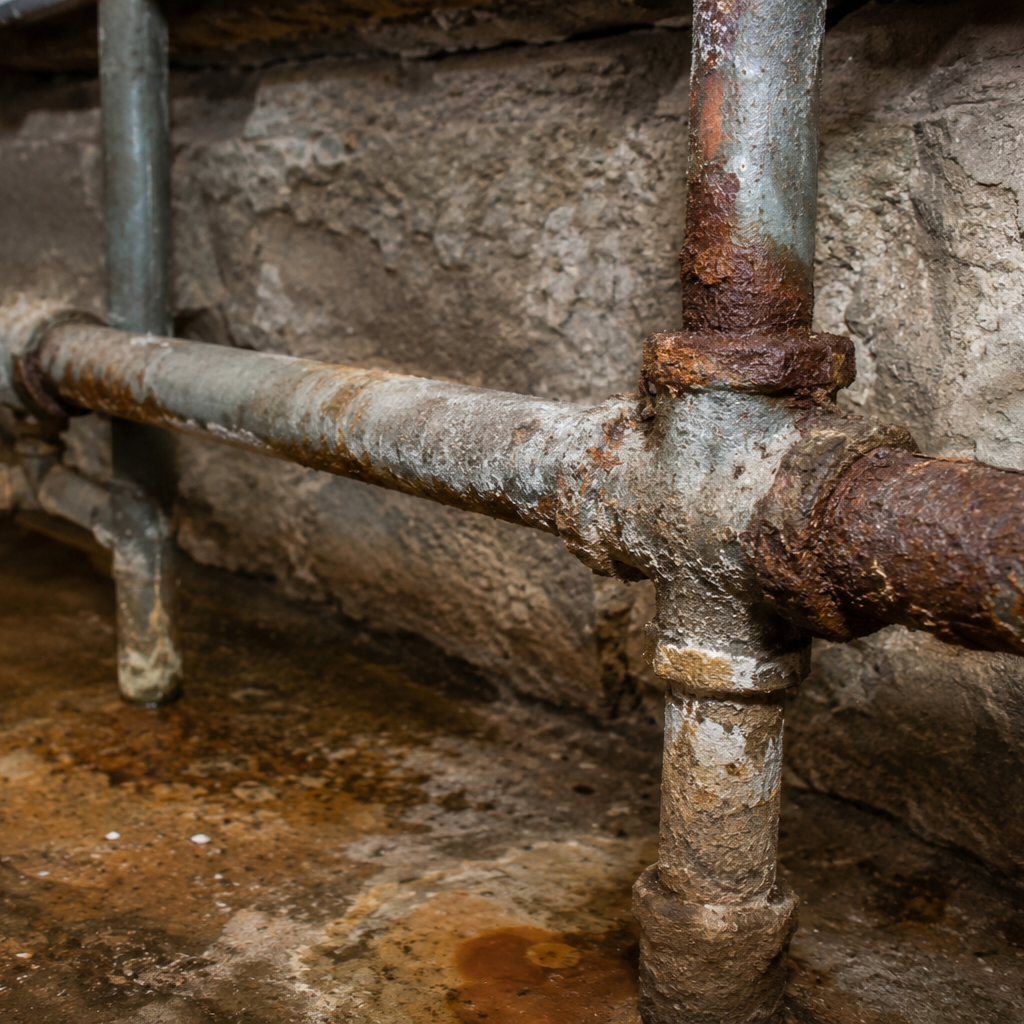
6 Signs Your Older PA Home Has Failing Pipes
Older homes have plenty of charm, but their plumbing is often decades old and quietly wearing out behind the walls. Pipes don't last forever, and when they reach the end of their life, they send signals — discoloration, leaks, pressure problems — long before they fail outright. For owners of older Pennsylvania homes, learning to read those signs is what separates a planned repipe from an emergency flood. Here's what failing pipes look like before they give out.
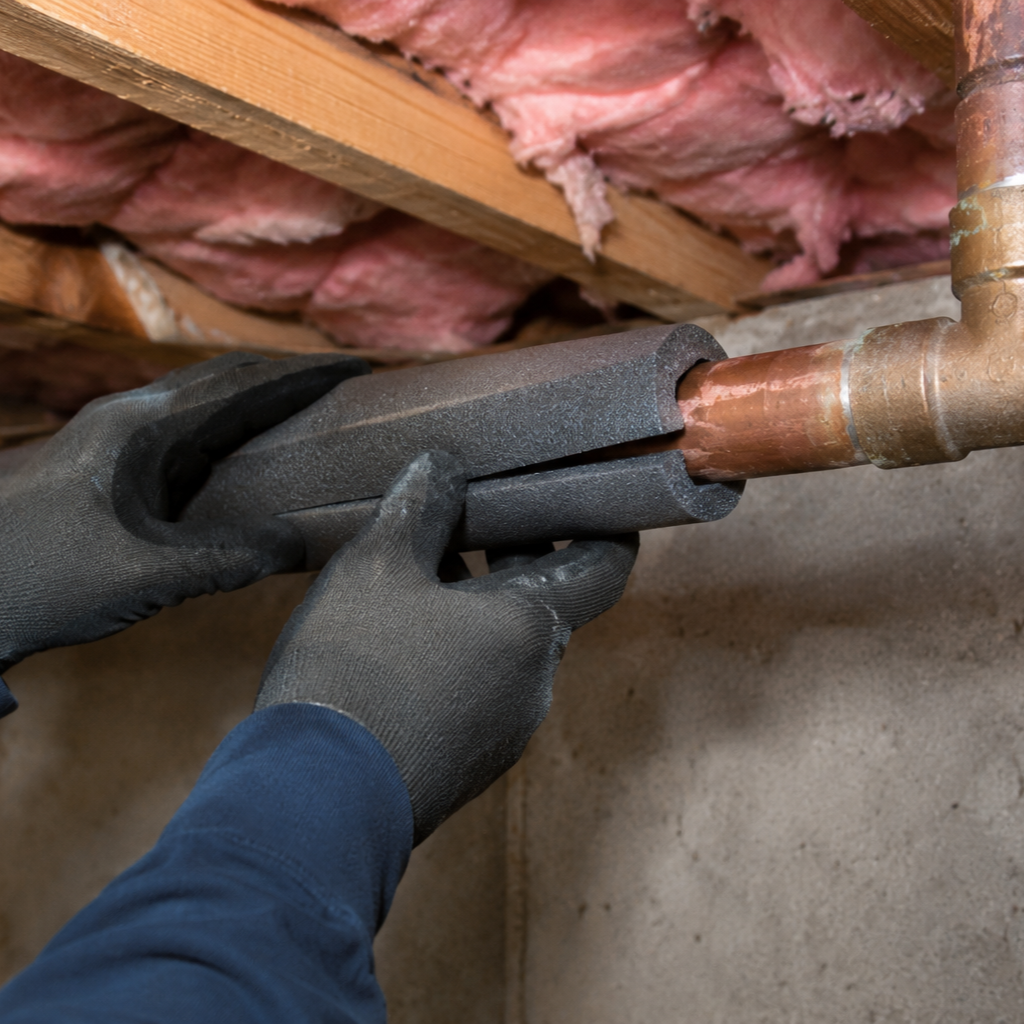
How to Prevent Frozen Pipes Before Winter Hits
A burst pipe can cause thousands of dollars in water damage, and the maddening part is how preventable it usually is. Frozen pipes happen to the same vulnerable spots every winter — and a handful of simple, low-cost steps keep them from freezing in the first place. In a Pennsylvania winter, getting ahead of the cold before and during freezes is far cheaper and easier than dealing with the aftermath of a burst. Here's how to protect your pipes.

Should an Apartment Building Install a Central Water Softener?
The softener installs at the building's main water supply entry — before the line branches to individual units — so every fixture in the building gets treated water.
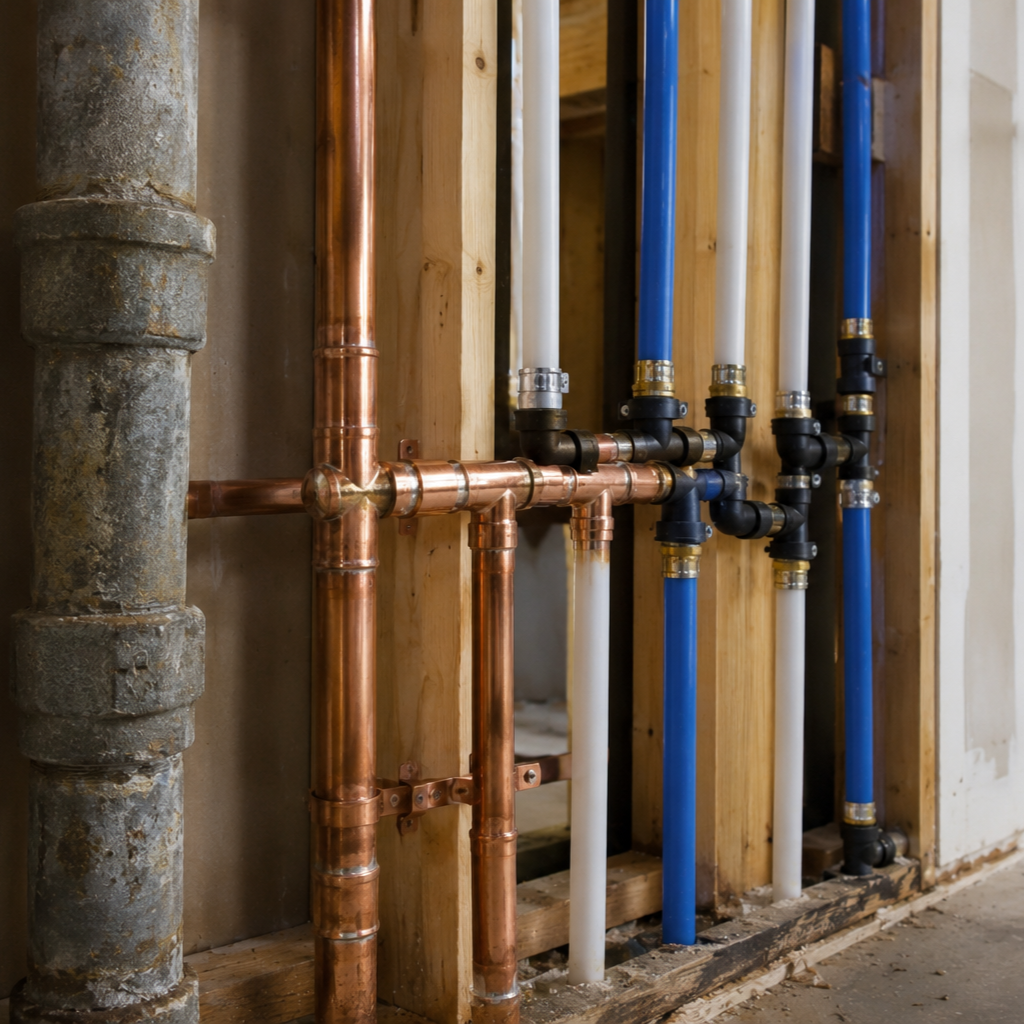
Galvanized vs PEX vs Copper: The Right Pipe for Your Repipe
When you repipe a home, you're not just replacing pipes — you're choosing what to replace them with, and that choice lasts for decades. Three materials come up in the conversation: galvanized steel, PEX, and copper. The first is usually what's coming out; the real decision is between the latter two. Understanding how they differ in durability, cost, and performance helps you pick the right material for your home and your situation, especially in a climate with hard winters.

What a Plumber Actually Looks for in a Rental Property Pre-Inspection
The first stop is the main shut-off valve. It sounds like a low-stakes starting point. Most landlords have never touched the thing and don't know whether it actually closes.
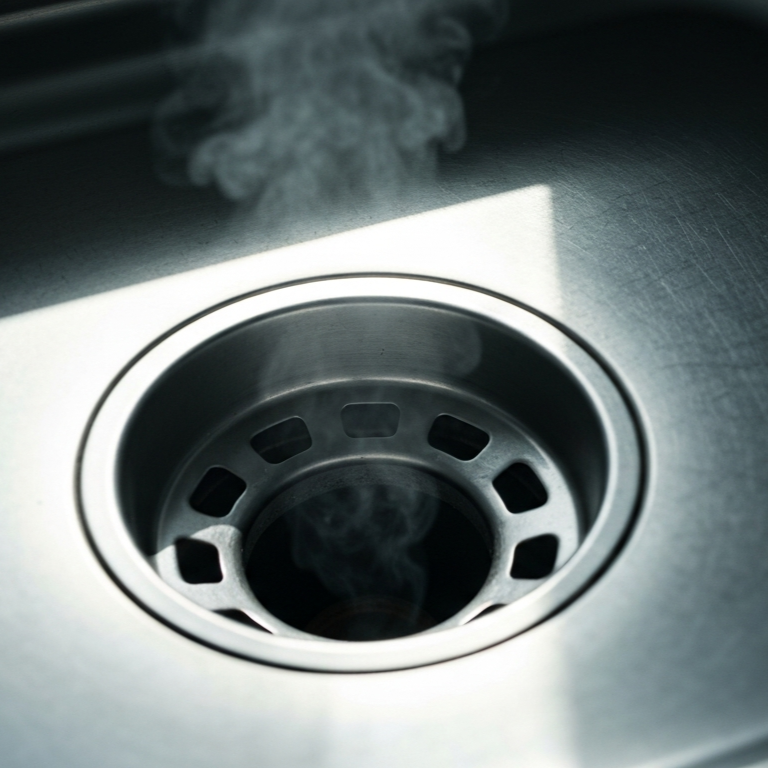
Kitchen Sink Drain Smells Like Rotten Eggs? Here's What's Causing It
The smell is information. It tells you bacteria are active somewhere in the drain system. Where they're active tells you what to do about it.
What Size Gas Line Does a Whole-House Generator Actually Need?
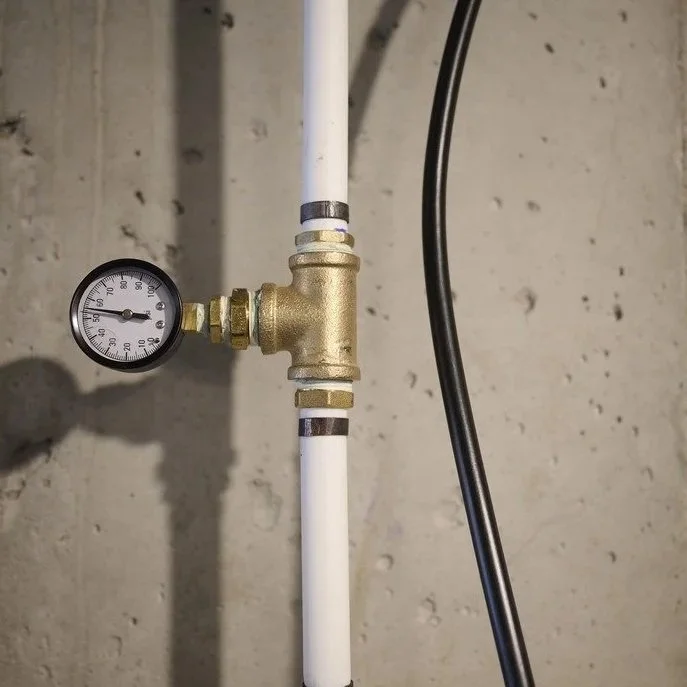
A generator is an engine that converts gas into electricity. It does this with poor efficiency. Most residential air-cooled units consume between 13,000 and 16,000 BTU of natural gas for every kilowatt of electricity they produce.
How Long Do Gas Lines Last — and What Shortens Their Lifespan
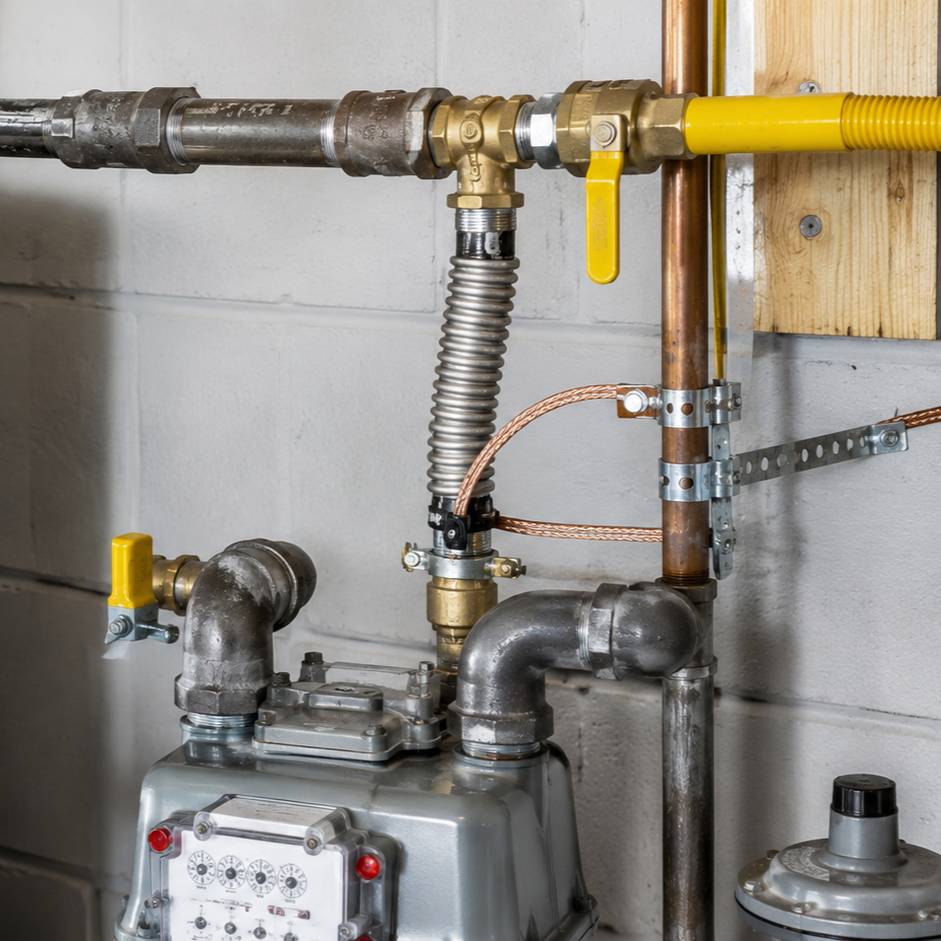
Your gas line has probably never crossed your mind. It's always worked. You turn on the stove, the burner lights. You set the thermostat, the furnace fires.
5 Signs a Gas Line Inside Your Wall Is Corroding
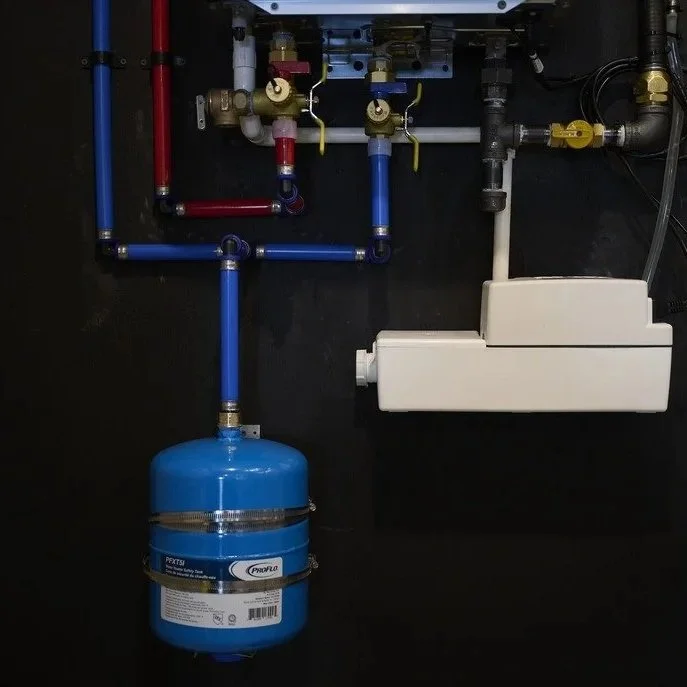
Homes built or renovated after the mid-1990s often have CSST — corrugated stainless steel tubing — the flexible yellow or black plastic-jacketed product.
Water Hammer in Apartment Buildings: What's Causing That Banging
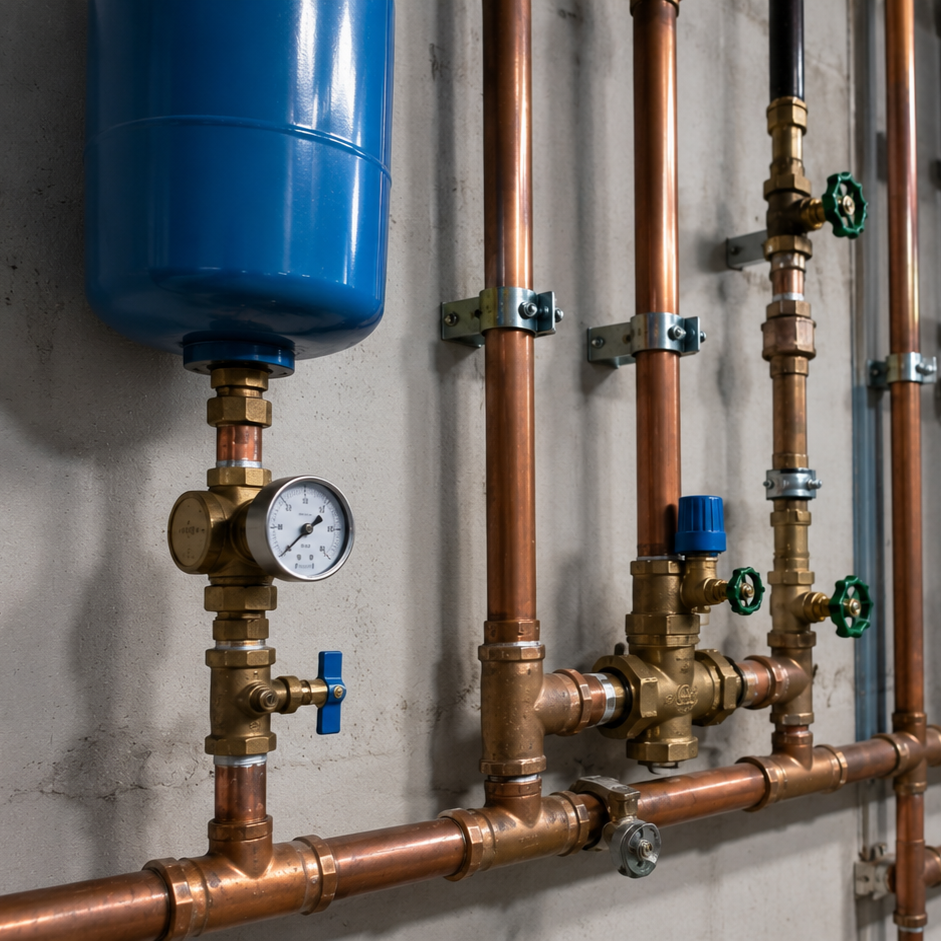
That's water hammer. Water doesn't compress the way air does, so when a valve slams shut and cuts off a column of fast-moving water, all that kinetic energy has to go somewhere.
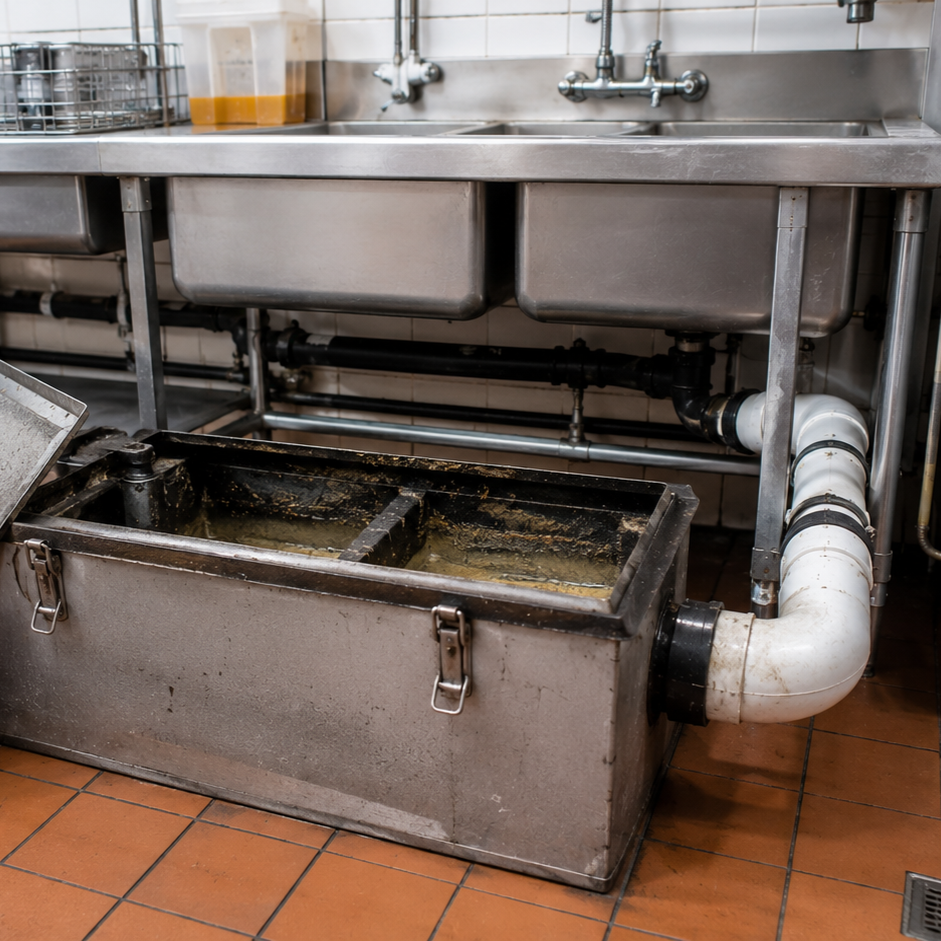
Replace the Grease Trap or Just Pump It More Often? How to Decide
The grease trap gets pumped on schedule. Every quarter, maybe every six weeks. The service company shows up, does the work, and drives away. And a week later the floor drain starts gurgling again.

Gas Smell in the House? Here's Exactly What to Do First
Most homes in eastern Pennsylvania run on natural gas from a utility. Some rural properties use propane from a tank. They behave differently in one important way: natural gas is lighter than air, so it rises. Propane is heavier than air — it sinks.
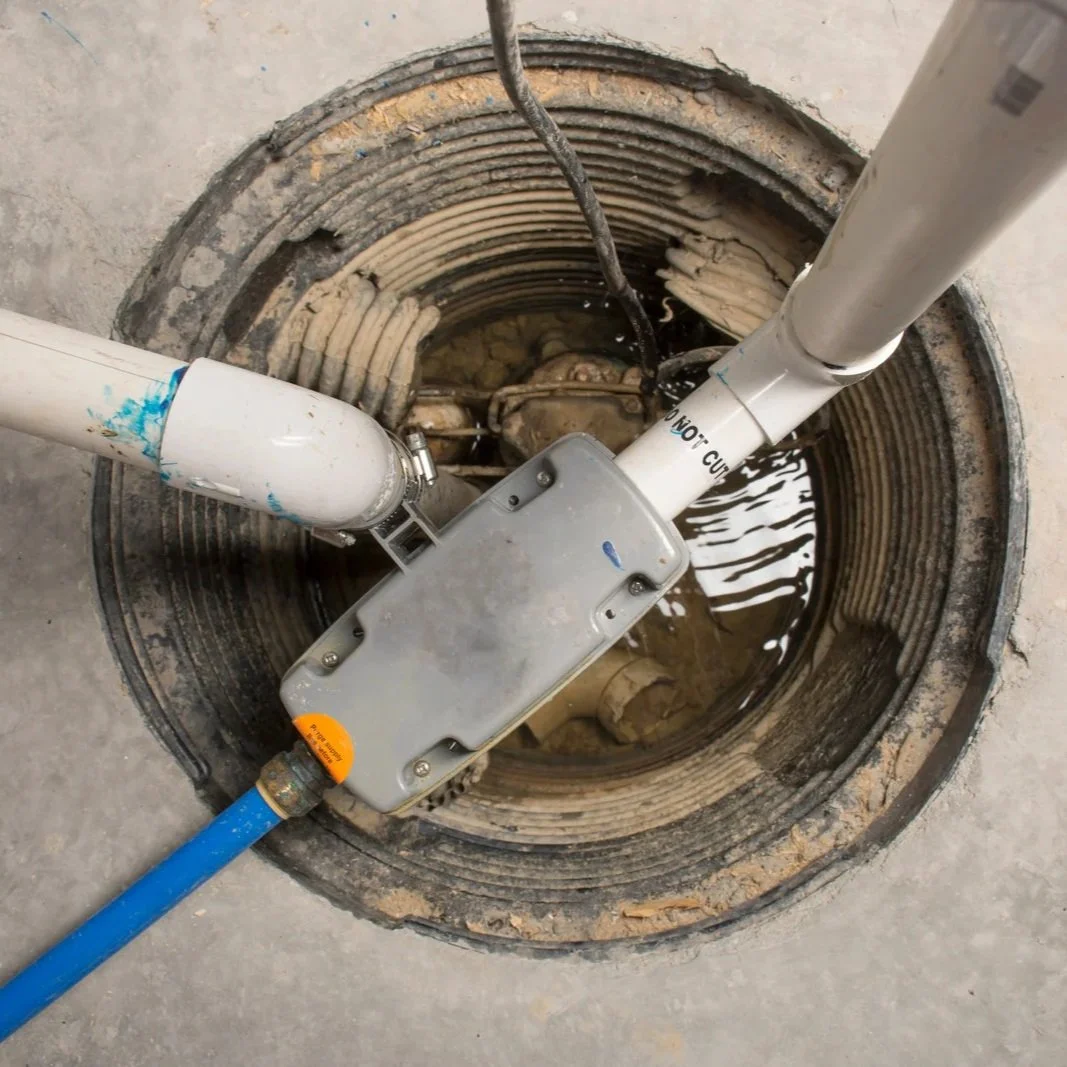
How Long Does a Sump Pump Last? (And the Signs It's About to Fail)
A cheap plastic-bodied pump installed without attention to check valve placement or discharge run length might fail in three years.
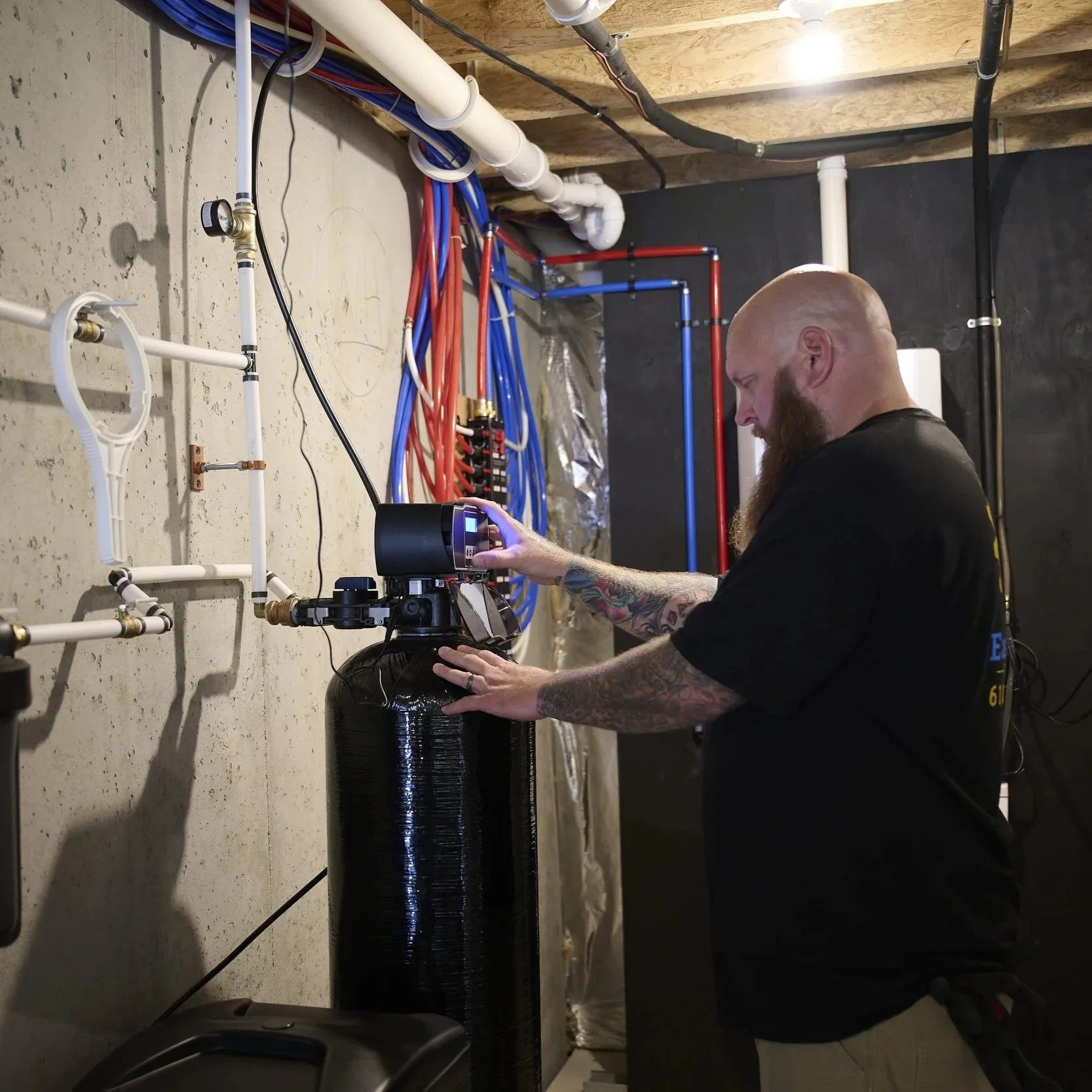
Battery Backup vs. Water-Powered Sump Pump: Which Lasts Through a Long Outage
Both systems do the same job: keep your basement dry when the main pump loses power. But how they do it is completely different. And which one makes sense for your house comes down to something most comparisons skip entirely — how long the outage actually lasts.
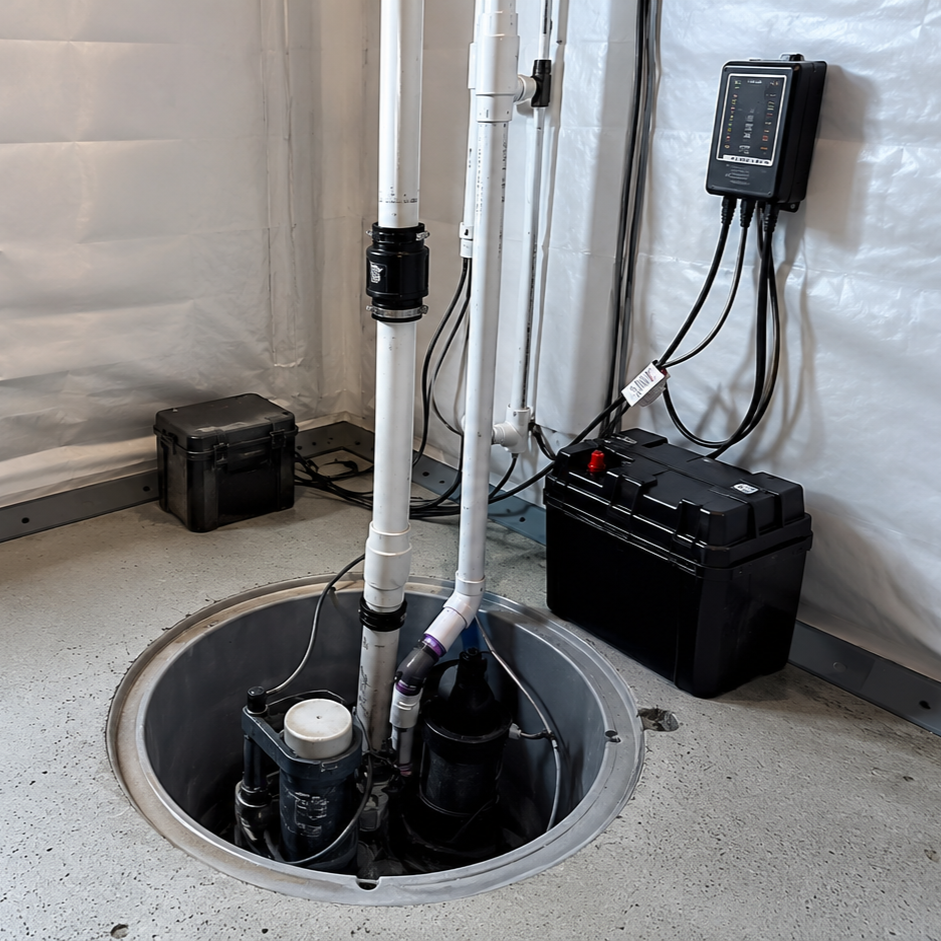
Power Out and Your Sump Pump Stopped? Do These Things Now
That scenario plays out regularly across southeastern Pennsylvania, where spring storms and nor'easters can knock power out for hours — sometimes longer. The problem isn't that sump pumps are unreliable.

Sump Pump Running Nonstop in Dry Weather? Here Are the 6 Causes
Your sump pump pushes water up through a vertical discharge pipe — usually 10 to 15 feet before the pipe angles out of the house.
PEX vs. Copper for Repiping: Which Actually Lasts Longer
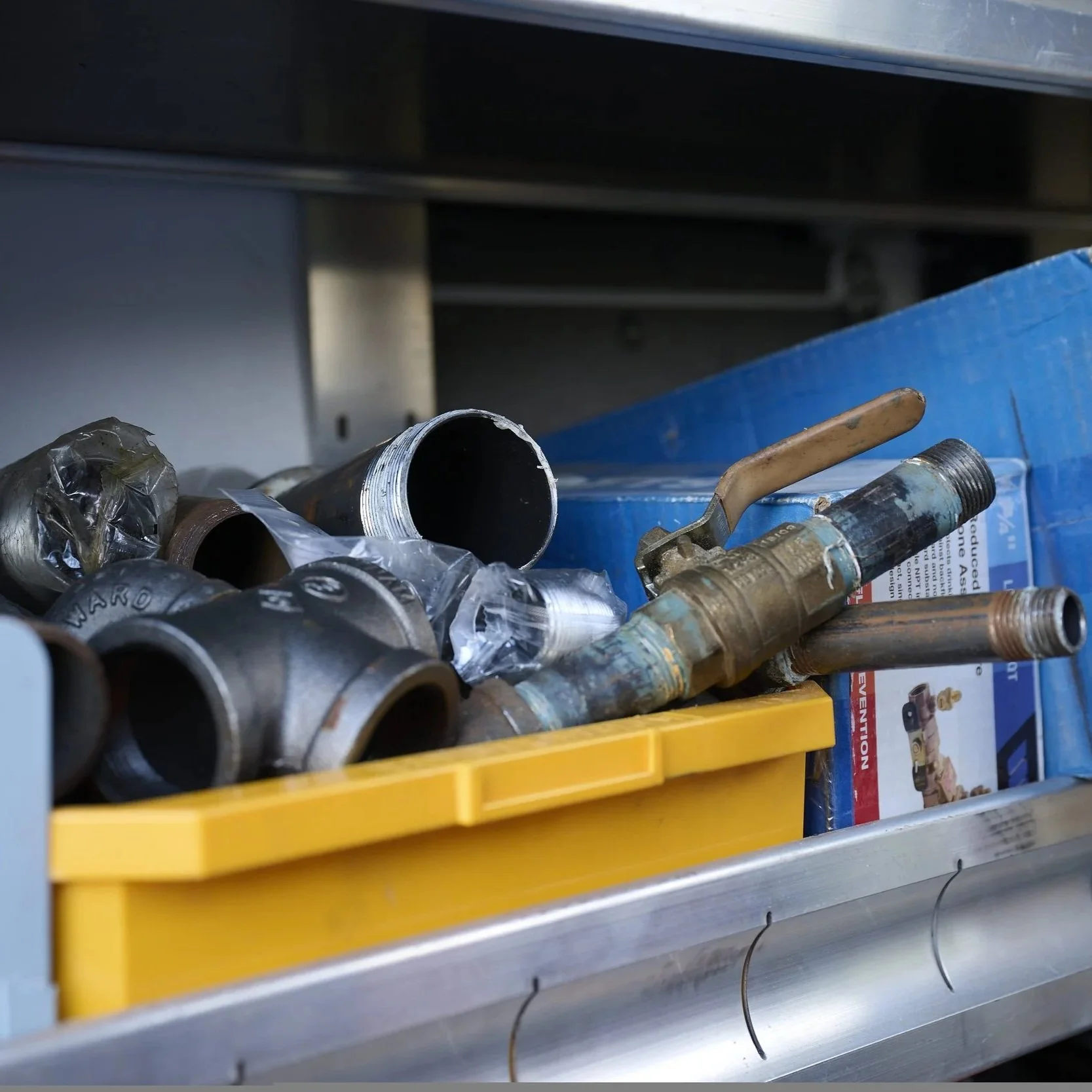
the original copper supply lines have been leaking slowly behind the wall for months. Pinhole after pinhole. Now the plumber gives you a choice — repipe with new copper, or switch to PEX.
Whole-House Repiping Cost: What Drives the Price in PA Homes
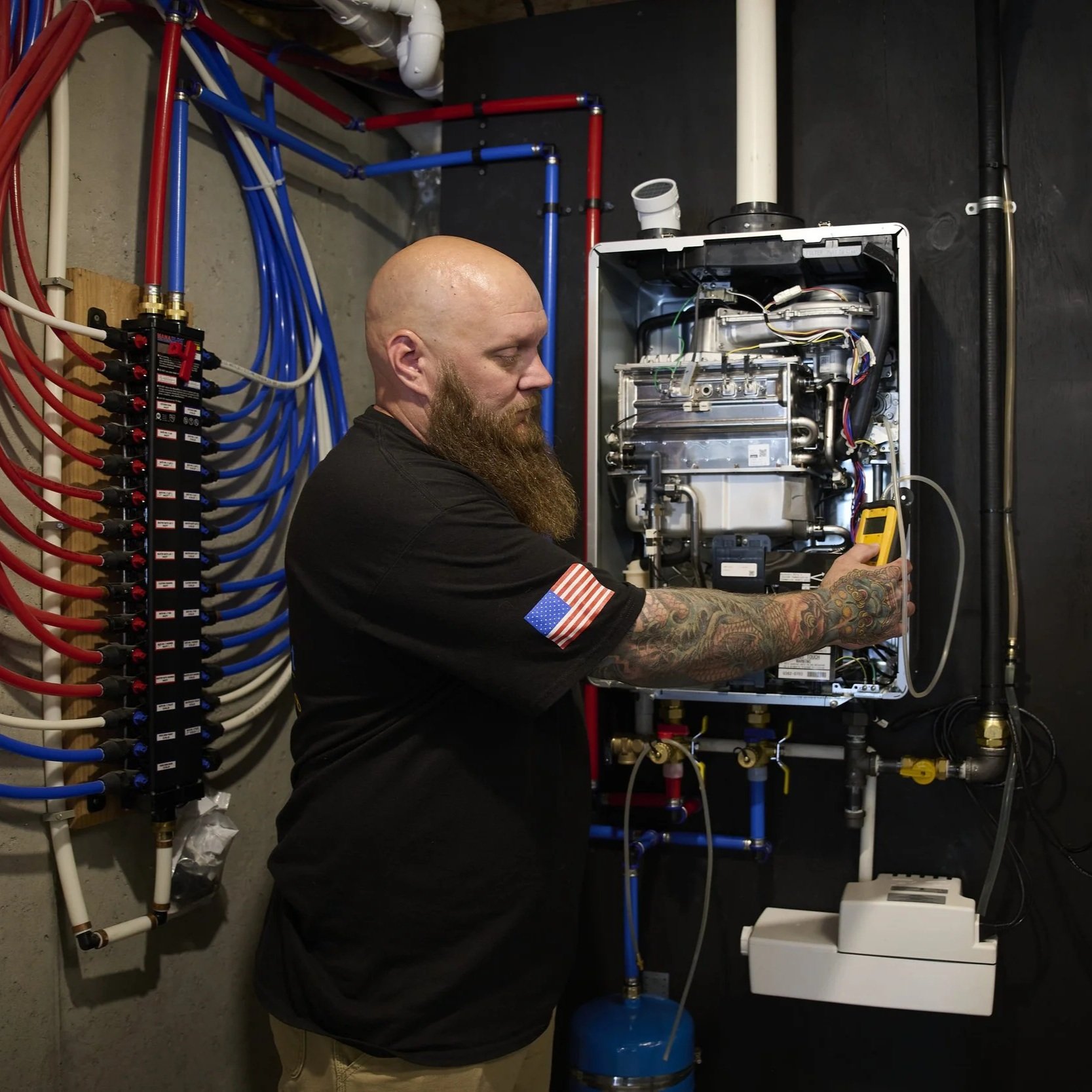
Most whole-house repipes in eastern Pennsylvania happen because galvanized steel supply lines have run out of road.
5 Signs Your Galvanized Pipes Are Failing (And When to Repipe)
Galvanized pipe scratches to a dull gray or silver — matte, not shiny. Copper scratches to a warm copper-orange you can't miss. PEX and CPVC stay white or cream.
How Often Should a Restaurant Grease Trap Be Pumped?
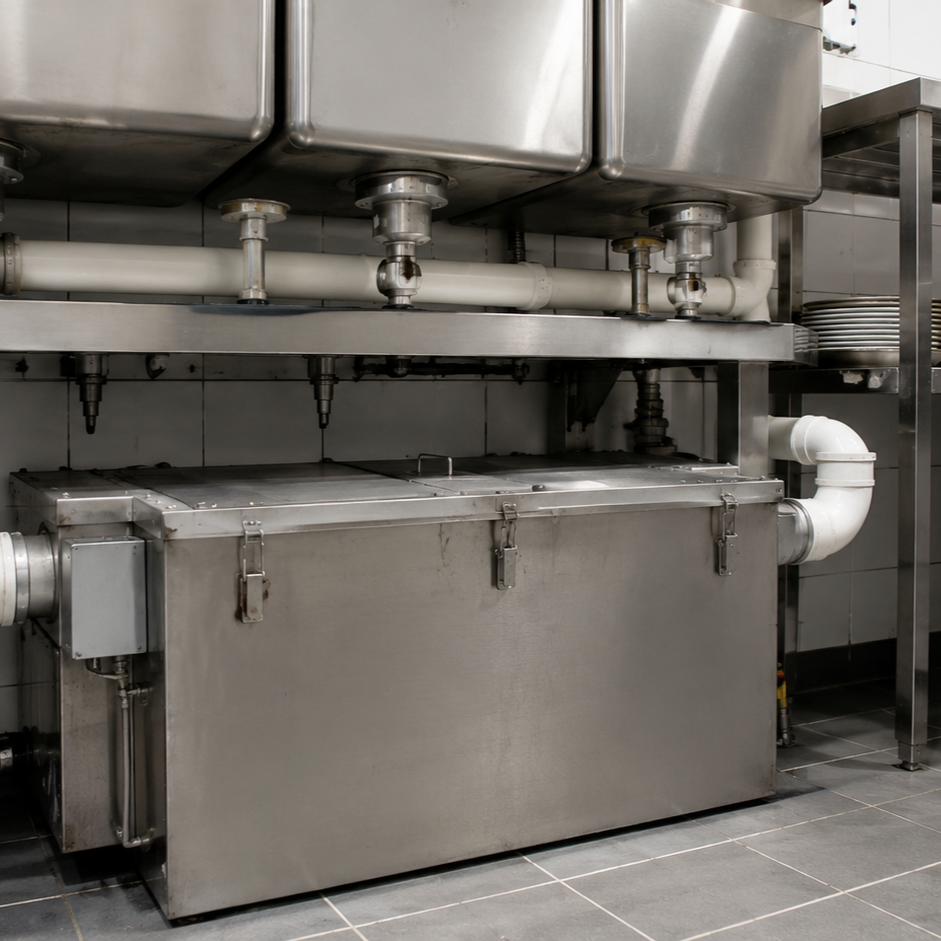
These ranges assume standard trap sizing. An undersized trap — common in older commercial spaces that were retrofitted rather than purpose-built — will fill faster than any frequency table predicts.